-
Techo de malla de acero con revestimiento de retorno de 24 x 24 - RPE
Precio habitual A partir de $105.30 USDPrecio habitual$0.00 USDPrecio de oferta A partir de $105.30 USD -
Rejilla de filtro de aire de retorno de acero, espaciado entre aletas de 1/2", color blanco
Precio habitual A partir de $30.70 USDPrecio habitual$0.00 USDPrecio de oferta A partir de $30.70 USD -
Kit de molduras de techo para paneles empotrados - MPR
Precio habitual A partir de $20.90 USDPrecio habitual$26.20 USDPrecio de oferta A partir de $20.90 USDOferta -
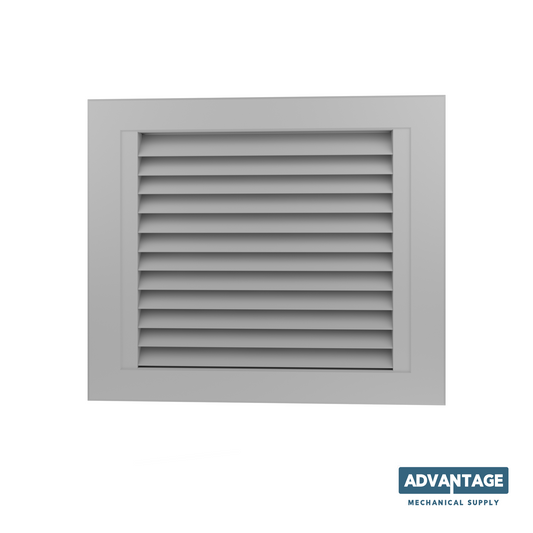
Rejilla deflectora fija de acero de 45° - R45
Precio habitual A partir de $25.10 USDPrecio habitual$31.40 USDPrecio de oferta A partir de $25.10 USDOferta -
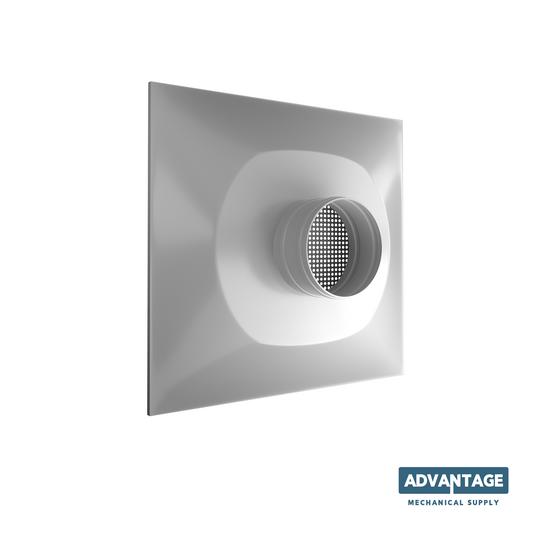
Difusor de techo de malla de acero con cuello universal/retorno de 24 x 24 con aislamiento - RPEP
Precio habitual $98.00 USDPrecio habitual$0.00 USDPrecio de oferta $98.00 USD -
Rejilla de retorno de plástico con marco de aluminio - RCUL
Precio habitual A partir de $53.70 USDPrecio habitual$67.10 USDPrecio de oferta A partir de $53.70 USDOferta -
Rejilla de aluminio con paredes laterales y aspas ajustables - A618MS
Precio habitual A partir de $22.60 USDPrecio habitual$0.00 USDPrecio de oferta A partir de $22.60 USD -
Rejilla de retorno de aire de acero, espaciado entre aletas de 1/2" - 650 - Blanco
Precio habitual A partir de $8.50 USDPrecio habitual$0.00 USDPrecio de oferta A partir de $8.50 USD -
Rejilla de retorno de acero estampada con aislamiento - RPD
Precio habitual A partir de $65.60 USDPrecio habitual$82.00 USDPrecio de oferta A partir de $65.60 USDOferta -
Rejillas de retorno de acero en forma de V para privacidad - RPC
Precio habitual A partir de $69.80 USDPrecio habitual$73.80 USDPrecio de oferta A partir de $69.80 USDOferta -
Registro de cuatro vías con cara estampada en el techo
Precio habitual A partir de $19.00 USDPrecio habitual$0.00 USDPrecio de oferta A partir de $19.00 USD -
Rejilla de retorno con aletas fijas de 45° - RHF
Precio habitual A partir de $71.00 USDPrecio habitual$88.70 USDPrecio de oferta A partir de $71.00 USDOferta -
Registro de hoja curva unidireccional
Precio habitual A partir de $11.40 USDPrecio habitual$0.00 USDPrecio de oferta A partir de $11.40 USD -
Rejilla de retorno de acero para techo - R30
Precio habitual A partir de $25.94 USDPrecio habitual$31.54 USDPrecio de oferta A partir de $25.94 USDOferta -
Malla de retorno de acero, solo cara - RPP
Precio habitual A partir de $67.40 USDPrecio habitual$84.20 USDPrecio de oferta A partir de $67.40 USDOferta -
Marco de aluminio, rejilla de retorno tipo rejilla de aluminio
Precio habitual A partir de $252.70 USDPrecio habitual$303.20 USDPrecio de oferta A partir de $252.70 USDOferta